-
-
SHOP




Understanding the IHC Single Marker Test: Why It Matters in Diagnosis
 2026-02-27
By admin
In the detailed world of current cancer diagnostics, the gap between a broad diagnosis and a clear treatment path often comes down to molecular details. Standard Hematoxylin and Eosin (H&E) staining gives a solid view of tissue structure, but it frequently falls short when tumors look very similar under the microscope. This is the point where the Immunohistochemistry (IHC) single marker test proves essential.
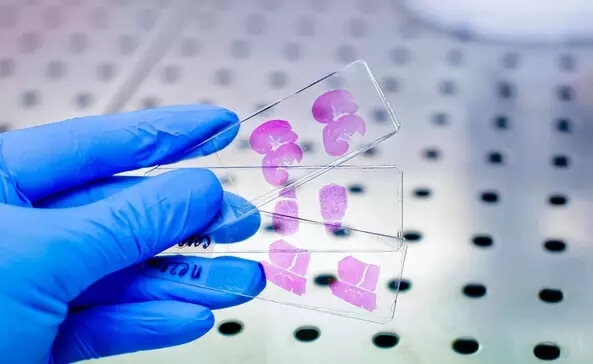
By highlighting particular proteins inside tissue sections, the test serves as a clear molecular signature. That signature helps doctors navigate the challenges of cancer classification and individualized treatment. Celnovte, a trusted leader in diagnostic solutions, provides cutting-edge IHC products that help pathologists achieve precise and reliable cancer diagnoses.
What is an IHC Single Marker Test?
At its foundation, an IHC single marker test is a lab technique that locates one chosen protein (antigen) in a tissue sample. It relies on the specific attachment of antibodies to their matching antigens in biological material. In contrast to multiplex IHC, which examines several targets at once, this single-marker approach concentrates on one biomarker per slide. The result is a straightforward, strong signal showing the protein’s presence, position, and strength.
The Mechanism of Action: Antigen-Antibody Binding
The procedure starts with picking a primary antibody tailored to recognize a particular protein. In breast cancer workups, for instance, antibodies directed at Estrogen Receptor (ER) or Progesterone Receptor (PR) are commonly chosen. After application to the tissue section, the antibody searches for and attaches to its target antigen. This attachment forms the key recognition step in the diagnostic sequence.
From Tissue Prep to Visualization: The Chromogenic Process
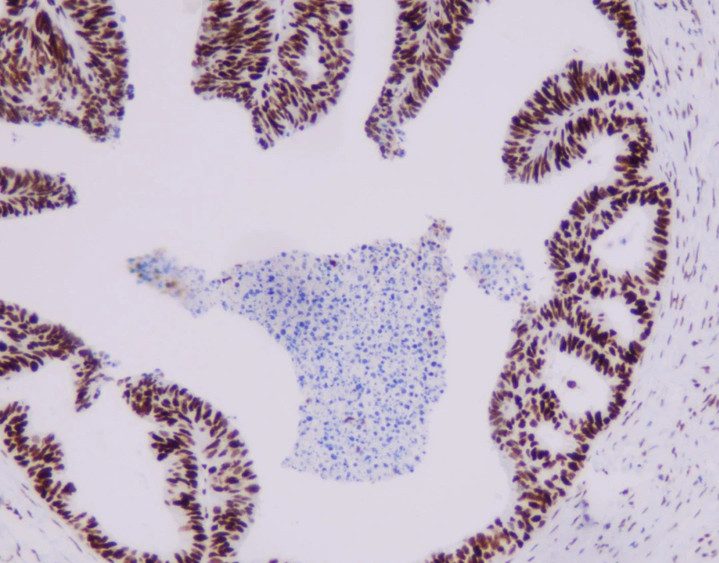
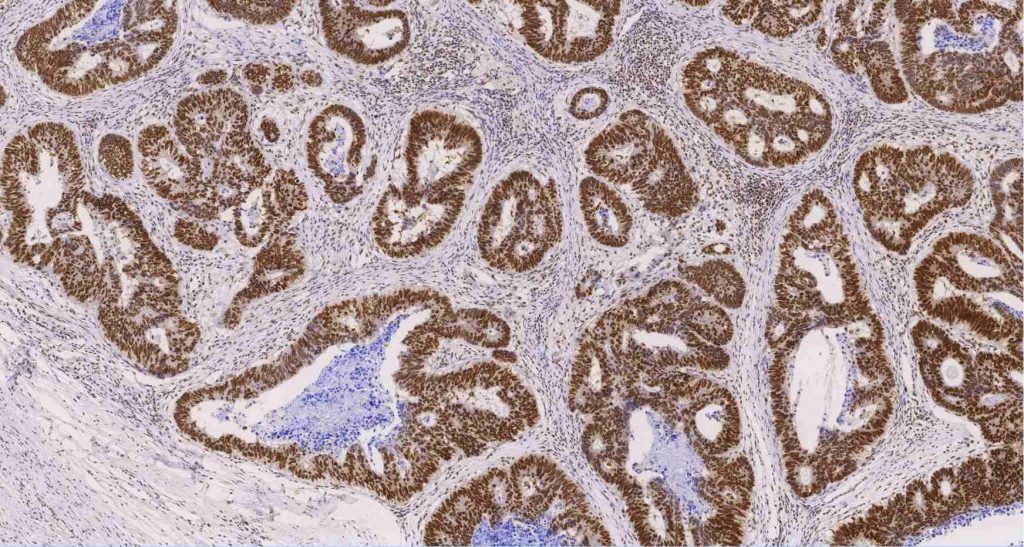
With the primary antibody in place, a detection system labels the binding site. Most often, this happens through a chromogenic reaction that uses Horseradish Peroxidase (HRP) together with 3,3′-Diaminobenzidine (DAB). The reaction creates a visible brown deposit. Pathologists then observe the exact cellular locations of the target protein through a standard light microscope.
Why It Matters in Diagnosis
The IHC single marker test goes beyond being an extra step. In many cases, it becomes the decisive element in shaping a patient’s treatment course.
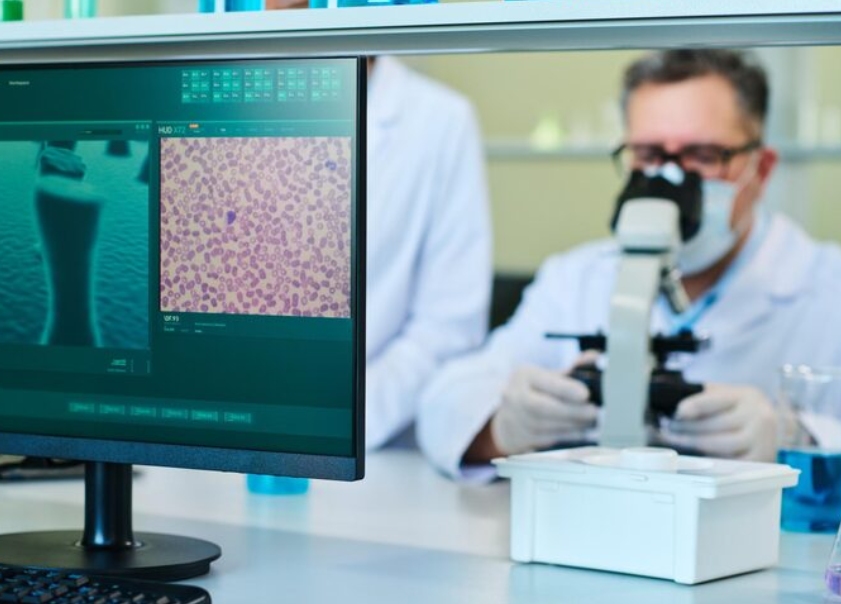
Precision in Tumor Classification and Subtyping
Numerous tumors share almost identical appearances under routine microscopy. Their protein patterns, however, differ markedly. In lung cancer cases, markers such as TTF-1 (Thyroid Transcription Factor-1) play a vital role in separating primary lung adenocarcinoma from tumors that have spread from other sites. Studies show that adding IHC markers raises diagnostic accuracy in challenging situations where shape and structure alone do not provide enough information.
Guiding Targeted Therapy and Prognosis
The single marker test brings its greatest value in companion diagnostics. Detecting elevated HER2 levels in breast or gastric cancers, for example, identifies patients who may benefit from treatments like trastuzumab. Without dependable results from a well-validated single marker test, such targeted therapies might be missed or given incorrectly.
Elevating Diagnostic Precision with Celnovte’s IHC Solutions
Celnovte focuses on producing high-quality pathological diagnostic reagents and instruments. The company maintains strict standards for sensitivity and specificity. Its main office is located in Rockville, MD, while production facilities in China hold NMPA, GMP, and ISO13485 certifications. To date, more than 1,000 automated IHC stainers from Celnovte operate in laboratories worldwide.
Self-Cloned Primary Antibodies: Validated by NordiQC
The strength of any IHC test depends heavily on the primary antibody. Celnovte provides more than 120 self-cloned monoclonal antibodies (MMab and RMab) along with over 400 ready-to-use (RTU) preparations.
-
The Advantage: These self-cloned antibodies are developed for strong binding and high selectivity. Their quality shows in NordiQC (Nordic Immunohistochemical Quality Control) evaluations. Forty-one antibodies—including those for TTF1, CD10, and ER—have earned “optimal” or “good” scores. The Celnovte ER antibody, in particular, has received the “optimal” rating for six years in a row. Pathologists, therefore, count on steady, repeatable staining from one batch to the next.
MicroStacker™ Detection Systems: Compact Polymeric Innovation
The clarity of an IHC result hinges on the detection system that boosts the signal. Celnovte’s MicroStacker™ technology marks a clear advance over older HRP polymer methods.
-
Features and Advantages: Traditional polymers often rely on large dextran carriers. MicroStacker™, by contrast, uses a small polymer framework that supports orderly layering of F(ab’) fragments from IgG secondary antibodies and peroxidase enzymes. The compact design improves penetration into tissue and increases sensitivity. Because the system avoids biotin, it prevents false background staining from natural biotin present in organs such as the liver or the kidney.
CNT360 Automated Stainer: High-Throughput Efficiency
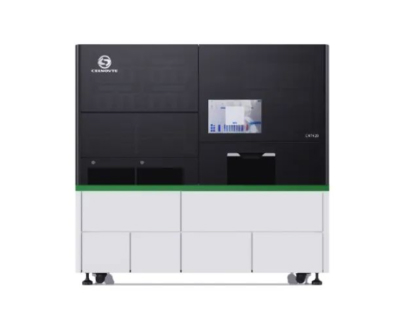
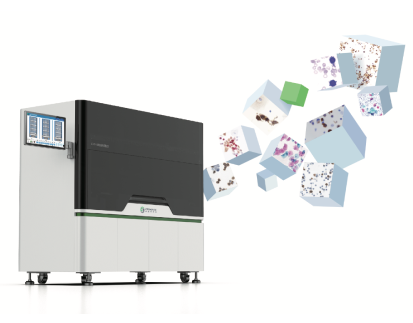
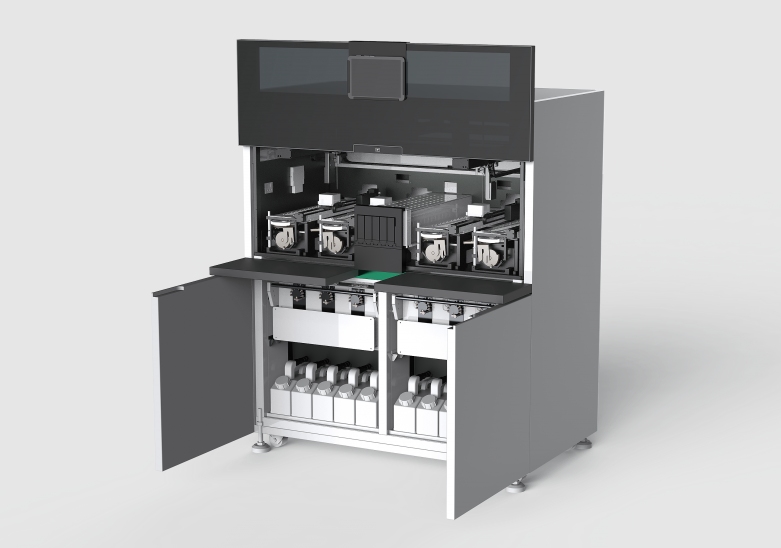
Manual staining in busy labs often introduces variation and mistakes. The Celnovte CNT 360 Full Automatic IHC & ISH Stainer addresses these issues by standardizing the complete process.
-
Performance: This single-unit system delivers consistent staining quality. It handles 60 slides per run and finishes the cycle in roughly 2.5 hours. Automation keeps every single marker test uniform, which supports the consistency needed for global accreditation and clinical trust.
The Prospect of IHC: Standardization and Reliability
Pathology continues to blend digital tools and molecular insights, yet the core still rests on dependable IHC single marker testing. The direction points toward full standardization—from the choice of reagents to the platforms that run them.
The Importance of Quality Control in Single Marker Testing
Findings from international quality programs indicate that antibody clone selection and detection chemistry cause most variations in results. Laboratories that adopt proven systems—such as Celnovte’s NordiQC-validated antibodies paired with the MicroStacker™ method—lower the chance of incorrect negative or positive readings. This level of accuracy matters directly to patients who depend on the diagnosis for their next steps in care.
Conclusion
The IHC single marker test stands as the preferred method for examining protein markers in tissue. Through ongoing advancements from manufacturers like Celnovte, these tests grow quicker, more sensitive, and more consistent. The result helps turn the concept of precision medicine into a practical reality for patients everywhere.
FAQ
Q: Why is a single marker test preferred over H&E staining in cancer diagnosis?
A: H&E reveals tissue architecture, but single-marker IHC pinpoints specific proteins. That allows exact tumor subtyping and helps choose appropriate targeted treatments.
Q: How does Celnovte ensure the quality of its primary antibodies?
A: Celnovte applies self-cloning methods and submits antibodies to international reviews such as NordiQC. Many receive “optimal” scores year after year.
Q: What makes the MicroStacker™ detection system better than traditional methods?
A: The small micro-polymer design provides deeper tissue penetration and stronger signals. Being biotin-free also removes unwanted background from natural biotin in certain tissues.
Q: Can Celnovte’s IHC products be used in high-volume laboratories?
A: Yes. The CNT360 automated stainer manages high-throughput demands, processing 60 slides in about 2.5 hours while keeping results uniform and reliable.