
-
-
SHOP


 Home
Home
 Solution
CLINICAL SOLUTIONS
How Molecular Pathology and Molecular Diagnostics Differ in Practice
Solution
CLINICAL SOLUTIONS
How Molecular Pathology and Molecular Diagnostics Differ in Practice
How Molecular Pathology and Molecular Diagnostics Differ in Practice
 2025-12-25
By admin

The Intertwined Revolution in Precision Medicine
Medicine is moving away from one-size-fits-all treatments and heading straight toward plans built around each patient’s own biology—especially in cancer care. Labs everywhere now run advanced tests to spot tiny DNA changes, protein patterns, or infection markers. In the middle of all this change, people often mix up two closely related fields: Molecular Pathology and Molecular Diagnostics. They overlap a lot, but they’re not the same thing. Knowing the real-world difference helps pathologists, lab managers, and oncologists pick the right tools for the job and get faster, more accurate answers.
Celnovte has spent years developing and supplying high-end pathology reagents and instruments. With a strong line-up of IHC, CISH, and FISH products, we help hospitals and labs turn complex molecular information into clear, reliable diagnoses that actually improve patient care.
Defining the Landscape: Core Concepts
Molecular Pathology: The Foundational Discipline
Molecular Pathology is the science side of the story. It’s about figuring out exactly why a disease happens by looking at DNA, RNA, and proteins inside tissues and fluids. A molecular pathologist takes those molecular results and lines them up next to what the classic microscope picture of the tissue is. The goal is discovery—finding new markers, proving they matter, and explaining how a cancer or infection really works at the cell level.
Molecular Diagnostics: The Practical Application
Molecular Diagnostics is the hands-on, patient-focused side. It takes proven molecular tests and runs them every day to guide treatment decisions, catch disease early, or watch how well therapy is working. Speed, repeatability, and rock-solid results are everything here. Common tests include PCR, FISH, CISH, and modern IHC. Celnovte builds precise, ready-to-use kits and instruments that make these routine tests faster and more trustworthy in busy clinical labs.
Methodological Differences in Practice
Scope and Scale of Analysis
In day-to-day work, the biggest difference shows up in the type of samples and the questions being asked. Molecular Pathology often deals with tricky, one-of-a-kind cases—maybe a rare tumor or a brand-new marker that is still being studied. The work is slower and more custom. Molecular Diagnostics, on the other hand, runs the same validated test hundreds of times a week on standard samples, with strict cut-offs and quick turnaround times so doctors can act the same day.
The Role of Histological Context
Visualizing Molecular Markers in Tissue
Pathologists never want to lose sight of where the abnormal cells actually sit inside the tissue. That’s why IHC, CISH, and FISH are so important—they let you see the protein or gene change right in its original location. A positive stain in the wrong cell type can completely change the diagnosis. Celnovte’s IHC and ISH reagents are built to give crisp, clean staining so pathologists can trust what they see under the scope.
From Study to Screening: Diverse Applications
Molecular Pathology drives research and new discoveries, while Molecular Diagnostics powers large screening programs and companion diagnostic testing. For instance, p16/Ki-67 dual staining has become a game-changer in cervical cancer screening because it catches high-risk lesions much earlier than cytology alone. Celnovte’s ready-to-use antibodies and detection systems make that test reliable and easy to run in high-volume labs.
Technologies Bridging the Divide: Celnovte’s Role in Precision Diagnosis
Celnovte supplies the reagents and automated platforms that work for both deep research and everyday clinical testing. We already support more than 2300 top hospitals across China and have reached laboratories in over 40 countries.
Ensuring Precision in Molecular Detection: MicroStacker™ Plus Polymer Detection Kit
Weakly expressed markers can be impossible to spot with old detection systems. The MicroStacker™ Plus Polymer Detection Kit fixes that problem. Using a patented micro-polymer stacking design, HRP layering, Fab’ labeling, and advanced conjugation chemistry, this kit delivers dramatically higher sensitivity without the background noise you get from biotin-based methods. The result is sharp, clean staining even on difficult markers, which matters whether you’re researching a new target or signing out a routine biopsy.
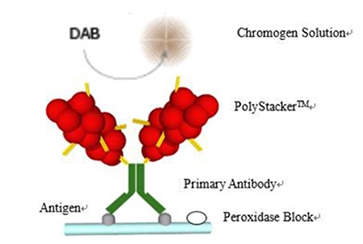
Accelerating the Diagnostic Workflow: PolyStacker™ Technology
During surgery, pathologists sometimes need an IHC answer while the patient is still on the table. PolyStacker™ Technology makes that possible. It cuts frozen-section IHC down to about 10 minutes with full confidence in the result. Labs using PolyStacker™ have diagnosed tricky lung tumors like bronchiolar adenoma or adenocarcinoma right in the operating room, helping surgeons make the right call on the spot.
Automation for Consistency and Throughput: CNT 360 Fully Automatic IHC&ISH Stainer
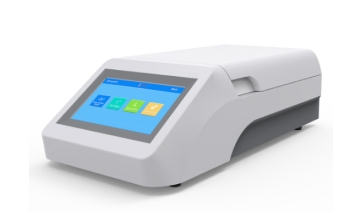
Manual staining leads to slide-to-slide differences that drive pathologists crazy. The CNT 360 Fully Automatic IHC&ISH Stainer removes that variability. It handles both IHC and ISH on the same platform, runs dozens of slides at once, and finishes most protocols in under two hours. Since 2018, we’ve installed more than 800 of these machines worldwide, and labs consistently report cleaner stains and faster reporting times.
Driving Enhanced Patient Outcomes
The Importance of Quality and Standardization
Everything comes down to reagent quality. Celnovte holds NMPA & GMP compliance, ISO13485, ISO9001, FDA registration, and CE IVDR certification. More than 47 of our in-house monoclonal antibodies have scored “optimal” or “good” in independent NordiQC runs, proving they perform at the very top level in real labs around the world.
Celnovte: Advancing Pathological Precision
From groundbreaking research tools to rock-solid clinical kits, Celnovte bridges the gap between Molecular Pathology and Molecular Diagnostics. We stay focused on three things: top-quality reagents, practical innovation, and real improvement in cancer diagnosis for patients everywhere.
FAQ
Q: What is the primary difference in focus between Molecular Pathology and Molecular Diagnostics?
A: Molecular Pathology studies disease mechanisms at the molecular level and discovers new markers. Molecular Diagnostics applies proven tests to guide patient care, screening, and treatment monitoring.
Q: Which Celnovte product helps accelerate time-sensitive intraoperative diagnoses?
A: PolyStacker™ Technology delivers reliable frozen-section IHC results in roughly 10 minutes.
Q: How does the MicroStacker™ Ultra Polymer Detection Kit enhance precision?
A: Its patented micro-polymer design gives much higher sensitivity and cleaner background than traditional biotin-based systems.
Q: Does Celnovte provide solutions for automating both IHC and ISH processes?
A: Yes—the CNT 360 Fully Automatic IHC&ISH Stainer runs both workflows on one platform with high consistency and speed.
RELATED PRODUCTS
