
-
-
SHOP




What Is the EBV Test Used for Pathology and Clinical Labs
 2026-01-30

The Epstein-Barr Virus (EBV), part of the herpesvirus group, ranks among the most widespread viruses in humans. It infects over 90% of adults around the world. In most cases, the virus stays quiet and causes no symptoms. Yet when it wakes up or strikes for the first time, it can trigger anything from a temporary illness like infectious mononucleosis to serious cancers that threaten life. In pathology departments and clinical laboratories, the “EBV test” covers a range of advanced methods. These tools detect the virus, measure how active it is, and show whether it has changed normal cells into cancerous ones.
At Celnovte, we understand that accurate EBV testing forms a key part of cancer care and immune system studies. As a major supplier of reagents and equipment for pathological diagnosis, we supply the materials needed to gain deep molecular understanding rather than basic detection alone.
The Clinical Significance of EBV Testing
Doctors order EBV tests for various reasons, based on the patient’s symptoms and the condition they suspect.
Diagnostic Roles in Infectious Mononucleosis
Many people first meet EBV testing when doctors check for “mono.” Labs run heterophile antibody screens and specific blood tests for VCA, EBNA, and EA antibodies. These help tell apart a fresh infection from an old one. In patients with weak immune systems or unclear results, however, blood tests alone may not give a clear answer. That situation calls for direct ways to find the virus itself.
EBV as a Biomarker for Oncogenesis
The biggest reason for EBV testing in pathology comes from its link to cancer development. The virus connects strongly to certain tumors, such as Burkitt lymphoma, Hodgkin lymphoma, and Nasopharyngeal Carcinoma (NPC). In these diseases, finding the virus inside tumor cells matters greatly. It confirms the diagnosis and guides treatment choices. Studies show that cancers with EBV often behave differently from those without it. As a result, knowing the viral status becomes a central part of the patient’s record.
Pathology and the “Gold Standard”: EBER In-Situ Hybridization
When the work moves from blood screening to firm tissue diagnosis, pathologists take center stage. The quality of lab reagents also plays a vital role.
Why Serology is Often Insufficient in Oncology
Blood antibody tests work well to track the body’s overall reaction to the virus. Still, they cannot show exactly where the virus sits inside the tissue. For cancer cases, simply knowing a past infection occurred is not enough. Pathologists need proof that the virus lives right inside the abnormal cells.
The Superiority of EBER-ISH in Tissue Diagnosis
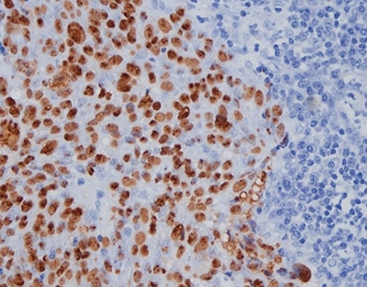
In-situ hybridization aimed at Epstein-Barr virus-encoded small RNAs (EBERs) stands as the accepted best method for spotting EBV in tissue samples. These small RNAs appear in huge amounts in cells with hidden infection. That abundance makes them the most dependable target for viewing under the microscope. With chromogenic in situ hybridization (CISH), pathologists see the viral RNA clearly on routine light microscopes. This approach lets them match viral location directly to the tissue appearance.
Celnovte’s Advanced Solutions for EBV Detection
Celnovte focuses on raising the level of accuracy in cancer testing through modern molecular tools. Our product line features special reagents and automated systems built to catch even faint signs of EBER.
Super-ISH™ Technology: Single-Molecule Sensitivity
A standout development from our team is the Super-ISH™ RNA In-Situ Hybridization Technology. Older ISH methods sometimes miss low amounts of virus or struggle with poor-quality samples, which can lead to missed findings. Super-ISH™ solves those problems. It picks up RNA signals at the level of single molecules and within individual cells.
This method delivers outstanding clarity and dependability. Even tiny amounts of EBV show up reliably. The HRP-DAB color system produces sharp results visible on ordinary lab microscopes. That combination makes it a practical yet strong choice for today’s pathology departments.
CNT360 Full Automatic Stainer: Streamlining High-Throughput ISH
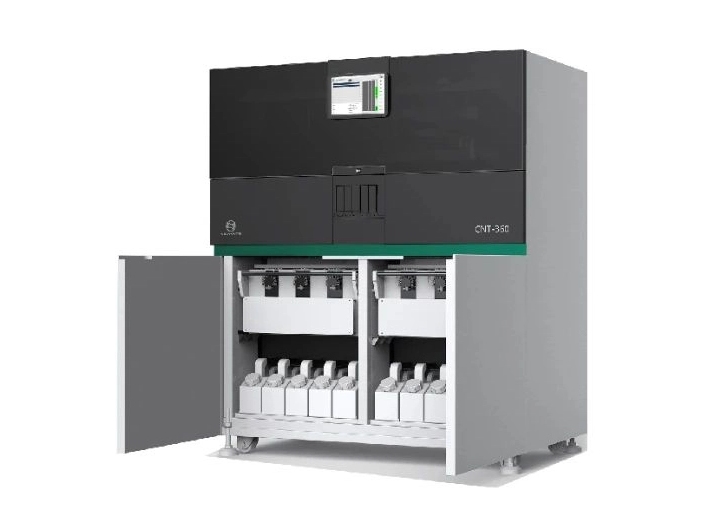
Speed matters as much as correctness in busy labs. The CNT360 Full Automatic IHC & ISH Stainer serves as a complete workstation that handles complicated staining steps without manual effort.
The CNT360 brings clear benefits for EBV work:
-
High Throughput: It handles up to 60 slides at once, cutting wait times sharply for large workloads.
-
Precision and Consistency: Automatic fluid delivery and temperature settings remove the differences that come with hand staining. Every batch gives steady outcomes.
-
Versatility: The system manages both IHC and ISH tasks smoothly. Labs can run EBER-ISH and related antibody stains on the same machine without switching equipment.
Enhancing Diagnostic Accuracy with Research-Driven Technology
Molecular pathology keeps moving forward as new studies reveal more about virus-related cancers. For instance, nearly all cases of Nasopharyngeal Carcinoma show EBER signals. In lymphomas, the type of latent infection (Level I, II, or III) often hints at the patient’s immune strength and how the tumor may grow.
Celnovte backs these efforts by supplying probes and antibodies produced in-house to strict standards. Several of our main antibodies have earned “Optimal” or “Good” ratings from NordiQC. Those marks place our quality alongside the best-known names in the field. Our production sites follow NMPA and GMP rules and hold ISO13485 and CE IVDR certifications. Clinicians can trust every prepared slide fully.
When labs pair our Super-ISH™ probes with the CNT360 system, they reach a new degree of clear diagnosis. This setup lowers the chance of late results and helps surgeons and cancer doctors build exact plans based on solid tissue and molecular evidence.
Conclusion: Partnering with Celnovte for Precision Diagnostics
Grasping the purpose of EBV testing marks just the beginning. For pathology and clinical labs, the real aim lies in delivering fast, correct, and useful information that helps patients. Celnovte stays at the leading edge of this work. We offer complete systems from basic tissue processing to digital review. More than 1000 automated stainers now operate worldwide, and our reach covers over 40 countries. We stay dedicated to bringing reliable diagnostics within reach of every lab.
FAQ
Q: Why is EBER-ISH considered better than PCR for EBV in tumor samples?
A: Unlike PCR, EBER-ISH allows pathologists to visualize exactly which cells contain the virus. This distinguishes viral presence in tumor cells from presence in background lymphocytes.
Q: Can the CNT360 run both IHC and ISH simultaneously?
A: Yes, the CNT360 is a versatile platform designed to execute multiple immuno-staining and in-situ hybridization protocols on a single platform, optimizing lab workflow.
Q: What makes Celnovte’s Super-ISH™ different from traditional CISH?
A: Super-ISH™ provides significantly higher sensitivity, enabling the detection of individual RNA molecules at single-cell resolution, which is vital for cases with low viral expression.
Q: Are Celnovte’s EBV diagnostic products internationally certified?
A: Yes, our products and manufacturing facilities are compliant with CE-IVDR, ISO13485, and NMPA standards, ensuring global quality and reliability.
Related News
