-
-
SHOP




The Role of Molecular Diagnosis in Modern Medicine Benefits and Challenges
 2026-02-05
The field of modern pathology has changed a great deal in recent years. For many years, doctors based diagnoses mainly on what they saw in tissue samples under a microscope. But as knowledge about the genetic and molecular causes of diseases—especially cancer—has grown, the approach has become much more exact. Molecular diagnosis looks at biological markers in the genome and proteome. It now forms the foundation of “precision medicine.” By studying particular genetic sequences or protein levels in cells, doctors can spot diseases early and choose treatments that fit each patient. As a major supplier in this area, Celnovte is committed to supplying the instruments that allow this level of accuracy.
The Advantages of Molecular Diagnosis
The main reason for the widespread use of molecular diagnostics lies in its capacity to give clear answers where standard morphology falls short.
Unparalleled Precision and Sensitivity
Molecular methods reach a depth of detail that was once out of reach. For example, new tools can now pick up RNA targets at the level of one molecule and in single cells. This sharp sensitivity matters a lot with small biopsy samples, like those from needle procedures, where each cell is valuable. Pathologists can tell apart tumors that look similar but need different treatments by spotting exact molecular changes. In addition, multicolor staining lets labs view several antigen targets on one slide at the same time, which helps find tiny areas of tumor spread.
Early Intervention and Screening
Molecular markers often show up well before symptoms or visible changes in tissue. This early warning is critical for fast-moving cancers such as Hepatocellular carcinoma (HCC), which ranked as the third leading cause of cancer deaths around the world in 2020. Screening through molecular signs, for instance, detecting HPV E6/E7 markers, can greatly raise survival chances by finding cancers when they can still be treated successfully. Better screening also lowers the number of wrong or missed diagnoses that sometimes happen because traditional cytology depends on personal judgment.
Guided Therapy and Companion Diagnostics
The biggest gain may come from how molecular diagnosis supports targeted treatments. Companion diagnostics help physicians know in advance whether a patient will benefit from a certain drug. Testing for Mismatch Repair (MMR) proteins, for example, plays a key role in decisions about immunotherapy. To make these tests trustworthy, products need to meet strict standards. Celnovte has shown this commitment through several self-cloned primary antibodies, such as ER, PR, and HER2, that have received “optimal” or “good” ratings in NordiQC assessments for many years in a row. This consistent quality means molecular findings can lead directly to solid treatment choices.

The Challenges of Molecular Diagnosis
Even with these strong points, bringing molecular diagnostics into routine practice brings real difficulties. Moving from a conventional lab to one ready for molecular work calls for large spending and trained staff.
Technical Complexity and Infrastructure Requirements
Molecular tests react strongly to their surroundings. Labs and makers must keep tight control over conditions to protect the accuracy. Celnovte, for instance, runs GMP-certified labs at the class 10,000 and 100,000 levels to maintain reagent and instrument quality. Without proper setup, contamination risks rise, and false positives become more common. These tests also demand skilled handling, though growing automation is cutting down differences caused by manual steps.
Turnaround Time and Cost Efficiency
In patient care, delays can make a big difference. Older molecular methods often take considerable time, which slows down treatment starts. Rapid options like PolyStacker™ Technology can cut IHC times to about 10 minutes for frozen sections, yet many molecular ISH procedures still need hours or days. On top of that, expensive reagents and equipment can limit access for smaller facilities, so labs must weigh the depth of testing against budget limits.
Celnovte’s Solution: Bridging the Gap in Molecular Pathology
At Celnovte, we focus on researching, developing, and supplying advanced tools for pathological diagnosis. With more than 30 years of background in pathology, we work to overcome molecular diagnosis hurdles through new technology.
Super-ISH™ Technology: Single-Molecule RNA Resolution
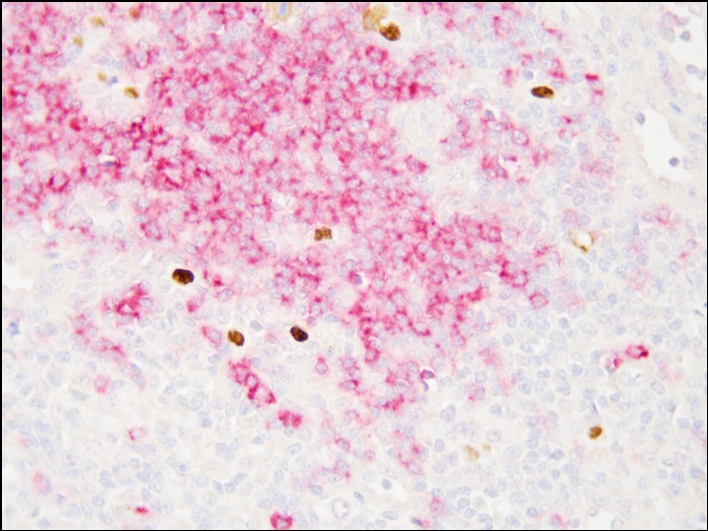
A leading product in our molecular lineup is the Super-ISH™ RNA In-Situ Hybridization technology. Traditional approaches sometimes miss low-level transcripts, but Super-ISH™ can detect RNA targets down to one molecule. It uses the HRP-DAB chromogenic system, so results appear under a regular light microscope. This makes it both easy to use and highly effective for molecular pathology. Doctors find it especially useful for spotting EBV infections through EBER in situ hybridization, which remains the accepted standard.
CNT360: High-Throughput Automation for ISH and IHC
To tackle issues of consistency and speed, we created the CNT360 Full Automatic IHC & ISH Stainer. This versatile machine suits busy labs, handling 60 slides and finishing detailed staining runs in roughly 2.5 hours. Automation covers every step—from removing paraffin to antigen retrieval and staining—so results stay reliable while easing the burden on technicians. The system works for many tasks, including chromogenic in situ hybridization (CISH) and multicolor immunohistochemistry.

Advanced FISH and CISH Probe Portfolio
Good probes form the heart of molecular diagnosis. Celnovte provides a broad range of molecular Super-ISH™ CISH and FISH products. Since 2017, we have released over 100 FISH probes, giving clinicians and researchers plenty of options for genetic studies. Each product meets strict requirements for sensitivity and specificity, allowing clear identification of even small genetic changes.
Conclusion
Molecular diagnosis points the way forward for medicine. It delivers the exactness needed to save lives through early discovery and custom treatments. Cost and technical barriers still exist, yet ongoing improvements in automation and sensitive methods are bringing these important tools within reach of more labs. At Celnovte, our goal remains to raise the standard of precision in cancer diagnostics and improve patient outcomes through fresh ideas. With certifications including ISO13485 and CE IVDR, we keep supporting medical teams worldwide in doing better work for those they serve.
FAQ
Q: What is the main advantage of using Super-ISH™ over traditional RNA detection?
A: Super-ISH™ provides single-molecule sensitivity and allows observation under a standard light microscope using familiar chromogenic systems.
Q: How does automation, like the CNT360, improve a molecular pathology lab?
A: It standardizes the workflow to ensure consistent staining quality, reduces human error, and provides high-throughput capabilities for faster results.
Q: Are Celnovte’s molecular products certified for international use?
A: Yes, our facilities and products are compliant with NMPA, GMP, ISO13485, and CE IVDR standards.
Q: Can molecular diagnosis techniques be used on frozen tissue sections?
A: Yes, specifically designed rapid protocols like PolyStacker™ can achieve high-confidence results in frozen sections in as little as 10-15 minutes.