-
-
SHOP




EBER ISH vs. EBV IHC: Which Method Provides the Most Accurate Gastric Cancer Diagnosis
 2026-03-19
By admin
The Critical Role of EBV in Gastric Cancer Precision Medicine
Gastric cancer is a heterogeneous disease, and identifying its molecular subtypes is crucial for modern precision medicine. One of the most significant subtypes is EBV-associated gastric cancer (EBVaGC), which represents approximately 10% of cases globally and is characterized by a distinct immune microenvironment and better prognosis. For clinicians and oncologists, determining the EBV status of a tumor is essential for patient stratification, especially as these patients often show higher sensitivity to immunotherapy.
As a global leader in pathological innovation, Celnovte is dedicated to providing high-performance diagnostic tools that ensure these critical biomarkers are identified with absolute precision. Choosing the right diagnostic methodology is the first step in ensuring that no patient is overlooked in the quest for targeted treatment.
The Diagnostic Dilemma: EBER ISH vs. EBV IHC
Pathologists usually pick between two main techniques to spot Epstein-Barr Virus (EBV) in tissue samples: Immunohistochemistry (IHC) and In-Situ Hybridization (ISH).
Understanding the Biological Targets: RNA vs. Protein
-
EBV IHC: This approach looks for viral proteins like Latent Membrane Protein 1 (LMP-1) or EBNA2. IHC remains common in labs because it is familiar and costs less. However, it runs into clear problems in EBVaGC since these proteins appear in very low amounts or are absent during the latent stage of infection.
-
EBER ISH: This technique targets EBV-encoded small RNAs (EBERs). These non-coding RNAs appear in very large numbers—up to 10^7 copies per cell—during latent EBV infection, which makes them a strong choice for reliable detection.
Sensitivity and Specificity: What the Research Says
Multiple studies show that EBER ISH holds its place as the accepted standard. EBV IHC often misses cases because protein levels stay too low, leading to many false negatives. In contrast, EBER ISH reaches close to 100% sensitivity and specificity for finding EBVaGC. Across patient groups, this method picks up EBV-positive cells that IHC overlooks entirely, so patients who might gain from specific treatments do not get missed.
Why EBER ISH is the Clinical Gold Standard for Gastric Cancer
The strength of EBER ISH comes from its power to show the virus right in the cells where it sits.

Superiority in Detecting Latent Phase Infection
In gastric cancer cells, EBV usually stays in a latent form. Super-ISH™ technology picks up RNA targets down to the single-molecule level, revealing the virus even when cells produce almost no viral proteins. This avoids the common detection gaps seen with protein-focused methods.
Impact on Patient Stratification and Immunotherapy
Knowing EBV status accurately serves as a key marker. EBVaGC often shows heavy DNA methylation and frequent PD-L1 overexpression. Relying on the more dependable ISH method gives oncologists solid information to place patients into checkpoint inhibitor studies, which can directly affect how long patients live.
Celnovte’s High-Performance Solutions for EBV Detection
Celnovte stands out in pathology advances by supplying specialized tools that make accurate EBER testing straightforward, without the usual challenges of molecular methods.
Super-ISH™ EBER Probes: Precision at the Single-Molecule Level
Celnovte has created strong EBER probes focused on delivering the best possible signal against the background.
-
Single-Cell Resolution: The probes produce sharp, dot-like nuclear staining, helping pathologists separate true signals from any noise.
-
High Sensitivity: By aiming at the plentiful EBER transcripts, the probes catch even samples with low viral amounts reliably.
-
Stability: Built for FFPE tissues, these probes give steady outcomes regardless of sample age or fixation differences.
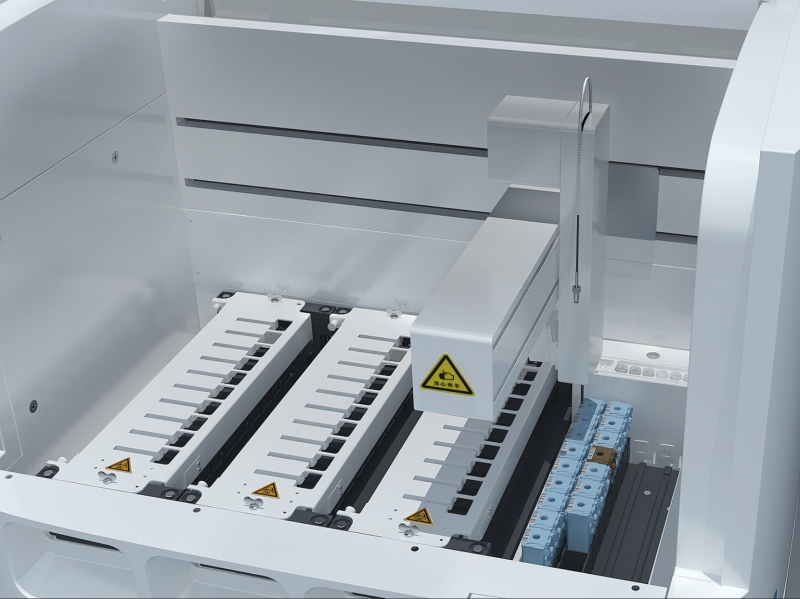
CNT 360 Fully Automated IHC & ISH Stainer: Maximizing Throughput and Consistency
Manual ISH takes much time and can vary between runs. The CNT 360 changes this process.
-
High Throughput: Holding 60 slides, the CNT 360 handles EBV tests together with everyday IHC markers and finishes runs in about 2.5 hours.
-
All-in-One Powerhouse: It runs different staining methods on one machine, cutting down on extra equipment and lowering mistakes from handling.
-
Standardization: Automatic steps for baking, deparaffinization, and antigen retrieval treat every slide the same way, which matters greatly for the careful hybridization in ISH.
Application Scenarios: Solving Real-World Challenges in the Pathology Lab
To see the practical benefit of Celnovte’s approach, consider common daily situations in labs.
Accurate Identification of EBVaGC in Small Biopsy Samples
-
The Problem: Gastric cancer diagnoses often come from tiny endoscopic biopsies with very little tissue. Traditional IHC can give faint or spotty staining that is hard to read clearly.
-
The Solution: Applying Celnovte Super-ISH™ EBER probes on the CNT 360 stainer brings out strong, focused nuclear staining even in small pieces. This sharpness removes uncertainty, so even when only a handful of tumor cells exist, their EBV status becomes clear.
Reducing Non-Specific Background in Gastric Mucosa Staining
-
The Problem: Stomach tissue frequently holds inflammatory cells and dead material that create unwanted background in manual ISH or IHC, sometimes causing mistaken positive calls.
-
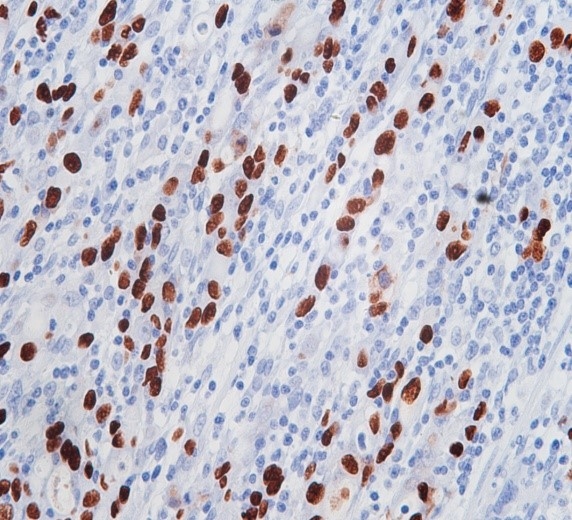
The Solution: Celnovte’s automated ISH steps include careful blocking and washing that cut down background greatly. Finished slides show a clear field with sharp dark-blue or brown signals limited to tumor cell nuclei—the clear sign of real EBV infection.
The Celnovte Advantage: Precision, Automation, and Reliability
Celnovte focuses on creating and producing advanced diagnostic reagents and instruments for pathology. With manufacturing sites certified under NMPA, GMP, and ISO13485, the company has placed more than 1,000 automated systems worldwide. The goal remains raising accuracy in cancer diagnostics, and the EBER detection lineup reflects this focus. Through deep work on secondary antibody detection and probe hybridization, Celnovte delivers a complete package from primary antibodies to fully automated staining systems.
Conclusion: Elevating Diagnostic Standards with Celnovte
When comparing EBER ISH and EBV IHC for gastric cancer, evidence points strongly to EBER ISH as the more accurate choice. Although IHC may finish quicker in manual work, the chance of missing true cases grows too large when treatment decisions hang in the balance. Celnovte lowers the hurdles to using this standard method by offering an automated, high-capacity, sensitive EBER ISH setup. Selecting Celnovte means laboratories deliver exact EBV results for every gastric cancer case, leading to improved patient care.
Ready to Upgrade Your EBV Testing Workflow?
Do not accept less accurate results in gastric cancer work. Reach out to Celnovte to find out more about Super-ISH™ EBER Probes and the CNT 360 Fully Automated Stainer.
FAQ
Q: Why is EBER ISH preferred over EBV IHC for gastric cancer screening?
A: EBER ISH works better because it targets EBER RNA, present in huge amounts during latent infection, while the proteins IHC looks for often stay missing or too scarce in gastric cancer cells.
Q: Can Celnovte’s EBER probes be used on third-party automated stainers?
A: The probes perform best on the CNT 360 for steady outcomes, but we supply protocols and assistance to fit them into other lab setups and help bring uniformity to molecular pathology.
Q: How does automation with the CNT 360 affect the turnaround time (TAT) for ISH?
A: Automation shortens TAT a lot by combining baking, deparaffinization, and staining in one flow, giving high-volume results in roughly 2.5 hours instead of the longer manual times.
Q: Is EBER ISH staining difficult to interpret compared to IHC?
A: In practice, EBER ISH often proves simpler to read. It gives a very clear nuclear signal in positive cells along with a clean background, while IHC can show cytoplasmic spread or extra staining that makes calls harder.
RELATED PRODUCTS