

Choosing a fully automated IHC stainer manufacturer is an important decision for pathology laboratories, diagnostic centers, and businesses supplying histology equipment. Beyond the instrument itself, buyers need to consider staining consistency, workflow efficiency, reagent compatibility, technical support, and the manufacturer's ability to provide long-term solutions.
For distributors, laboratory equipment suppliers, and third-party testing laboratories, selecting the right manufacturing partner also affects product competitiveness, customer satisfaction, and future business opportunities.
So, what should you look for when evaluating a fully automated IHC stainer manufacturer? Here are seven important factors to consider.
Evaluate Instrument Performance and Automation Capabilities
The first consideration is whether the manufacturer's instruments can meet the operational requirements of modern pathology laboratories.
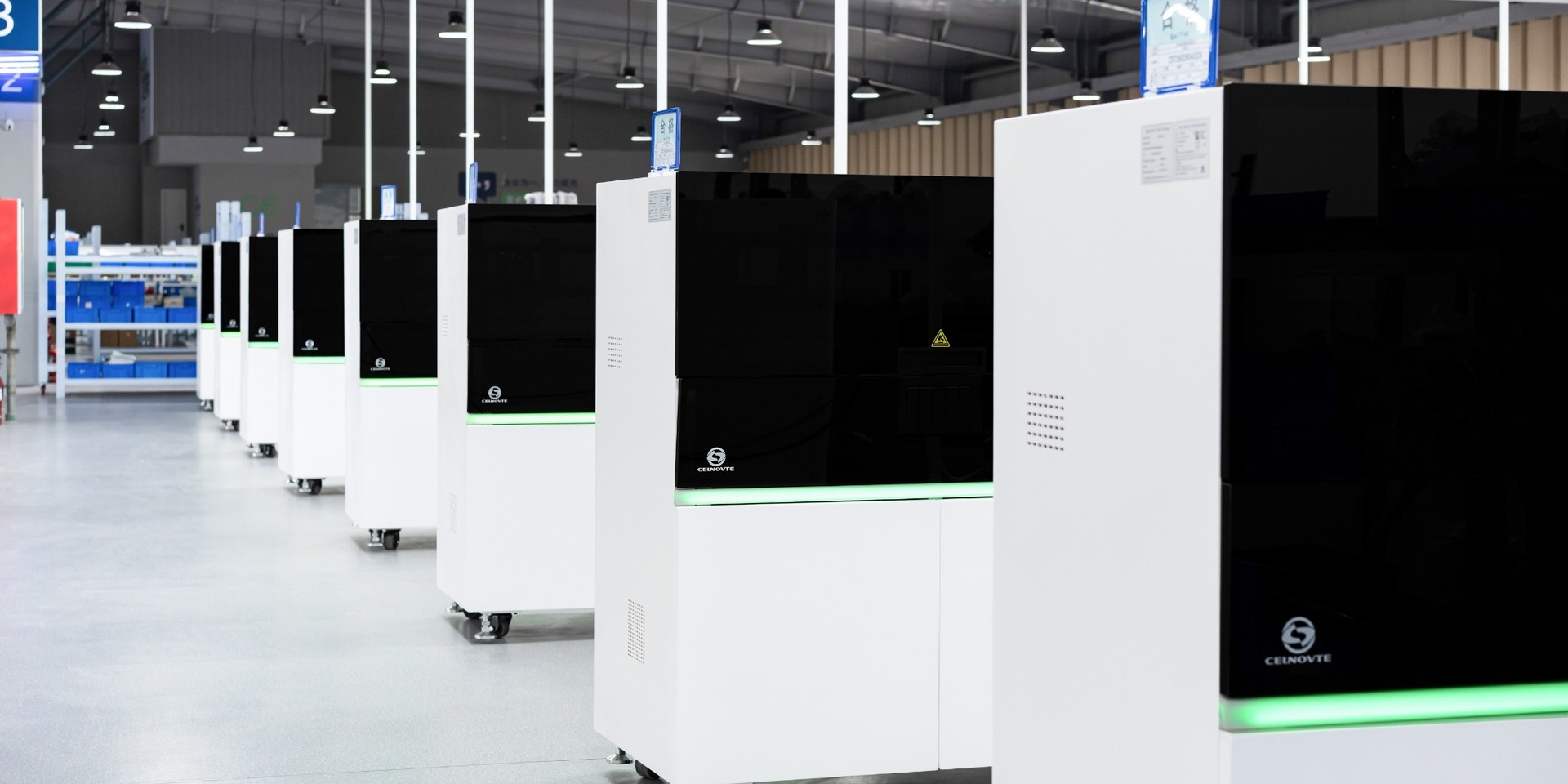
A fully automated IHC stainer should streamline multiple stages of immunohistochemistry processing, including slide drying, deparaffinization, antigen retrieval, antibody incubation, and subsequent staining procedures. Automating these steps can reduce repetitive manual work and help laboratories establish more standardized workflows.
However, automation levels vary between instruments. Buyers should examine:
Processing capacity: How many slides can the instrument handle in one run?
Continuous loading: Can operators add new slides while the system is running?
Protocol flexibility: Does the instrument support different staining protocols?
Independent processing positions: Can multiple slide batches be managed efficiently?
Workflow monitoring: Can operators track processing progress and reagent status?
For laboratories with increasing case volumes, these capabilities can directly influence daily productivity.
When evaluating manufacturers, look beyond the maximum slide capacity advertised in product specifications. Consider how the instrument performs under actual laboratory conditions.
Look for Consistent Staining Quality and Reagent Compatibility
Automation alone does not guarantee reliable IHC results. Consistency across staining runs is equally important, particularly in laboratories processing multiple tissue samples and diagnostic markers.
A qualified manufacturer should pay attention to reagent performance, protocol standardization, and compatibility between instruments and consumables.
Important considerations include:
Reproducibility across different staining batches.
Consistent reagent dispensing and incubation conditions.
Compatibility with a suitable range of primary antibodies and detection systems.
Availability of validated staining protocols.
Technical guidance for optimizing staining workflows.
Another important consideration is whether the manufacturer develops both instruments and supporting reagents.
An integrated instrument-and-reagent portfolio can simplify workflow coordination and provide laboratories with a more consistent technical support pathway. For distributors, it can also create opportunities to supply a broader range of products rather than relying on equipment sales alone.
Compare Throughput and Workflow Flexibility
Throughput is an important purchasing factor for laboratories handling large numbers of specimens. However, high capacity should not be evaluated through slide count alone.
A system with a large loading capacity may still create workflow bottlenecks if operators must wait for an entire batch to finish before processing additional samples.
Manufacturers should therefore demonstrate how their instruments manage continuous loading, multiple processing positions, and different staining requirements.
For example, a laboratory receiving specimens throughout the day may benefit more from flexible loading and independent processing positions than from a system that only offers a high maximum slide count.
Other factors worth comparing include:
Processing time per staining cycle.
Number of slides supported simultaneously.
Flexibility in handling different staining protocols.
Operator intervention between batches.
Compatibility with laboratory information systems (LIS), where required.
If throughput is a major purchasing priority, it is also worth understanding how batch capacity affects laboratory turnaround time. Our article, How IHC Stainer Throughput Can Improve Lab Turnaround Time, explains why continuous loading, workflow flexibility, and practical processing capacity matter when selecting an automated IHC stainer.
Examine the Manufacturer's Product Portfolio
A manufacturer's product range can reveal its ability to support different laboratory requirements and business models.
For pathology equipment distributors and laboratory suppliers, working with a manufacturer that offers multiple product categories can simplify procurement and create opportunities for cross-selling.
Rather than focusing exclusively on fully automated IHC stainers, consider whether the manufacturer also provides complementary solutions, such as:
Primary antibodies and IHC detection systems.
Multiplex IHC and multiplex immunofluorescence products.
Molecular pathology instruments and reagents.
H&E and special staining equipment.
Cytology automation solutions.
Histology consumables and related products.
A broader portfolio is particularly valuable for distributors serving laboratories with different diagnostic and research requirements.
For example, Celnovte Biotech provides a range of pathology products covering IHC automation, primary antibodies, detection systems, molecular pathology, histology, cytology, and digital pathology.
You can explore its pathology product portfolio to understand the available instruments and supporting products.
Assess Technical Support, Training, and After-Sales Service
Even well-designed automated instruments require maintenance, operator training, and technical assistance.
Before establishing a partnership, buyers should understand what support the manufacturer provides after installation.
Key questions include:
Does the manufacturer provide installation and operational training?
Are instrument manuals and technical documentation available?
Can technical teams assist with troubleshooting?
Are preventive maintenance services available?
How quickly can replacement parts and technical assistance be provided?
Does the manufacturer support remote troubleshooting?
For international distributors, these considerations are especially important. A responsive technical team can help distributors address customer concerns, reduce equipment downtime, and maintain long-term relationships with laboratories.
Training resources are another useful indicator of a manufacturer's commitment to customer support. Access to product documentation, educational materials, and application guidance can make it easier for distributors to train their own teams and support end users.
Celnovte Biotech provides a dedicated resources center, where users can access instrument-related materials, IHC learning resources, and other technical information.
Consider Manufacturing Experience and Business Partnership Potential
A reliable IHC stainer manufacturer should offer more than competitive equipment specifications. Manufacturing experience, product development capabilities, and a clear approach to business cooperation also matter.
For distributors and OEM-oriented business partners, evaluate whether the manufacturer can support:
Stable product supply and production planning.
Clear product specifications and documentation.
Consistent quality management.
Product training and sales support.
Communication throughout the cooperation process.
Long-term product development and portfolio expansion.
It is also important to understand the manufacturer's intended markets and existing distribution arrangements. Discuss regional market requirements, product registration responsibilities, and applicable regulatory documentation before entering a distribution agreement.
A transparent partnership framework helps both parties establish realistic expectations and develop sustainable business relationships.
Match the Instrument to Your Laboratory's Actual Needs
The best fully automated IHC stainer is not necessarily the instrument with the highest capacity or the most advanced specifications. It is the one that matches the laboratory's workload, available space, staffing, and testing requirements.
For smaller laboratories, a compact benchtop system may provide a practical balance between automation and space utilization. Larger diagnostic centers may prioritize higher slide capacity, continuous loading, and flexible protocol management.
For distributors, offering several instrument configurations can also help address different customer segments without limiting sales opportunities to a single laboratory type.
Before making a purchasing decision, compare the manufacturer's product specifications, request technical demonstrations where possible, and evaluate the complete operating requirements rather than focusing only on the initial equipment price.
Choose an IHC Stainer Manufacturer That Supports Long-Term Growth
Selecting a fully automated IHC stainer manufacturer requires a broader assessment of instrument performance, staining consistency, throughput, reagent compatibility, product diversity, and technical support.
For laboratory buyers, these factors help determine whether an instrument can support daily diagnostic and research workflows. For distributors and pathology equipment suppliers, they also influence the potential for long-term cooperation and business development.
Celnovte Biotech provides integrated pathology solutions combining automated instruments, IHC reagents, and related products. Its portfolio includes multiple automated IHC stainer configurations designed for different laboratory workflows, alongside complementary pathology products and technical resources.
Whether you are a pathology equipment distributor, a laboratory supplier, or a diagnostic laboratory evaluating automation options, choosing a manufacturer with both instrument capabilities and supporting product solutions can provide a stronger foundation for future growth.