


Choosing a benchtop IHC stainer is not simply a matter of finding the smallest instrument available. For small and mid-sized pathology laboratories, the right system needs to balance available workspace, daily slide volume, and the amount of hands-on work required from laboratory staff. An instrument that is too large can disrupt an already crowded workflow, while one with insufficient capacity may create bottlenecks as testing demand grows.
Before comparing equipment, it is also useful to understand how different IHC stainer technologies support staining consistency and workflow control. This provides a practical starting point for evaluating which features will make a meaningful difference in daily laboratory operations.
Here are three factors to consider when choosing a benchtop IHC stainer for your laboratory.
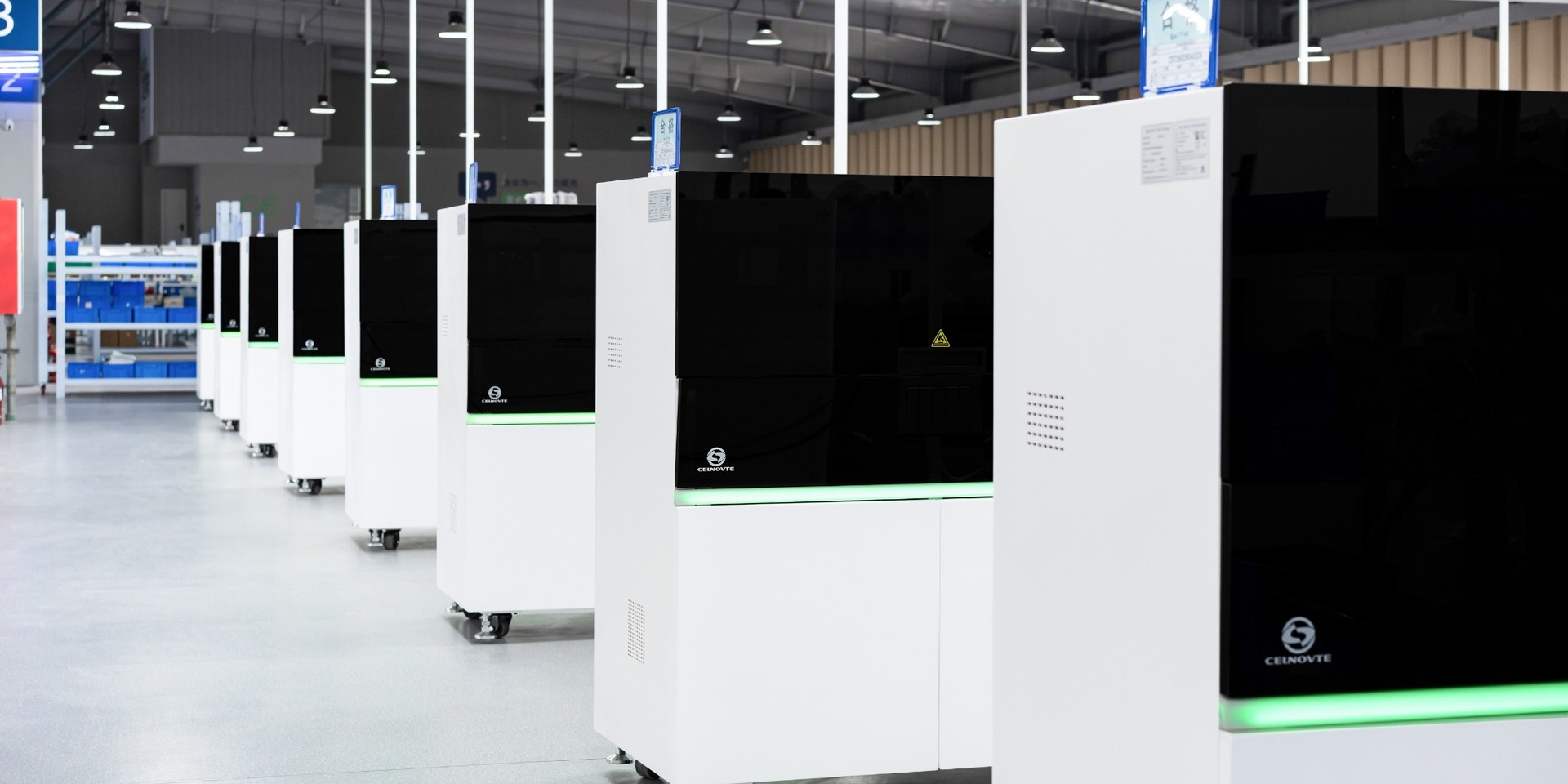
Evaluate the Footprint Against Your Available Workspace
For laboratories with limited space, the physical dimensions of an IHC stainer are often among the first considerations. However, looking at the instrument's external dimensions alone does not provide a complete picture of its space requirements.
A compact IHC stainer should fit comfortably into the laboratory's existing layout without making routine slide preparation, reagent handling, or instrument maintenance difficult.
Before selecting a system, consider the following:
Instrument dimensions: Check the length, width, and height to determine whether the unit fits your available benchtop area.
Operating clearance: Allow enough space for loading slides, replacing reagent containers, accessing waste compartments, and performing routine maintenance.
Weight and bench stability: Confirm that the laboratory bench can safely support the instrument, particularly for larger automated systems.
Supporting equipment: Consider whether additional space is needed for reagent storage, slide preparation, and other staining-related activities.
It is also important to distinguish between a compact instrument and a genuinely space-efficient workflow. A smaller unit may occupy less room but require more manual preparation or additional equipment to complete the staining process.
For this reason, laboratories should evaluate the entire working arrangement rather than choosing an instrument based on dimensions alone.
Match Slide Capacity to Your Daily Testing Volume
Throughput is another important consideration when selecting a benchtop IHC stainer. Small and mid-sized laboratories may not process hundreds of slides every day, but their workloads can fluctuate depending on case volume, testing requirements, and the number of staining protocols performed.
The key is to select a system that accommodates routine demand while leaving sufficient capacity for busier periods.
Start by estimating your average daily slide volume. Then consider whether your workload is consistent or concentrated into several larger batches.
For example, a laboratory processing a relatively small number of slides throughout the day may benefit from a system that supports flexible loading. In contrast, a laboratory handling larger batches may prioritize multiple slide trays, simultaneous processing, and continuous loading capabilities.
Several questions can help guide this decision:
How many slides does the laboratory typically process per day?
Can different batches be processed simultaneously?
Does the instrument allow additional slides to be loaded while a run is in progress?
How long does a complete staining cycle take?
Will the system accommodate an expected increase in testing volume?
A system's maximum slide capacity should not be considered in isolation. Turnaround time, batch flexibility, and the ability to manage different protocols also influence actual laboratory productivity.
For laboratories seeking a balance between benchtop convenience and automated processing capacity, the Celnovte Biotech CNT300 Full Automatic Multiplex IHC Stainer is one option to consider.
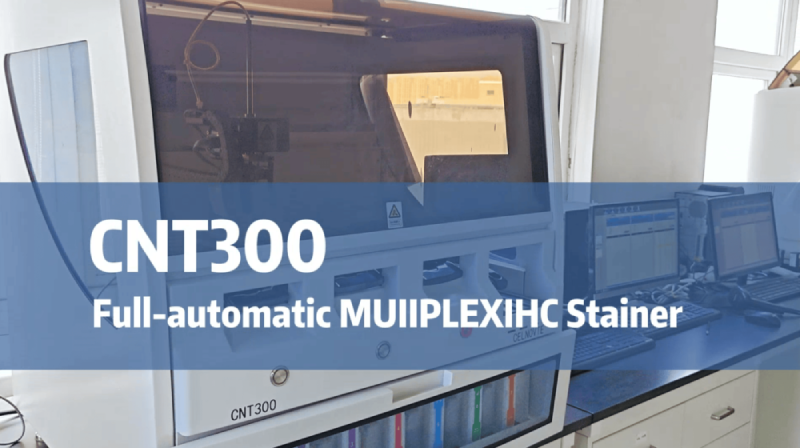
Designed as a benchtop system, the CNT300 accommodates up to 30 slides across three independent trays, with 10 slides per tray. It supports continuous slide loading and unloading during runs and has a specified turnaround time of no more than 3.5 hours.
These capabilities make it relevant for laboratories that need more structured batch processing without necessarily moving to a larger standalone platform.
Consider Operational Complexity and Staff Workload
An IHC stainer should not only process slides efficiently; it should also fit the laboratory team's existing experience and daily workflow.
For small and mid-sized laboratories, staffing resources can be limited. When staining procedures involve numerous manual steps, experienced technicians may spend considerable time preparing slides, dispensing reagents, monitoring incubation periods, and managing individual processing stages.
A more automated system can reduce the amount of routine intervention required.
When evaluating operational complexity, pay attention to three areas.
Workflow automation
Check which staining stages are automated. Depending on the system, these may include slide baking, deparaffinization, antigen retrieval, blocking, detection, and counterstaining. Automating more of these repetitive steps can reduce the need for manual handling throughout the process.
Software and monitoring
An intuitive interface makes it easier for technicians to configure protocols, monitor ongoing runs, and identify potential issues. Features such as reagent-volume monitoring, processing-status displays, and fault notifications can make daily operation more manageable.
Protocol flexibility
Different laboratories may perform routine IHC, multiplex IHC, or other immunostaining applications. A system that supports customizable protocols can accommodate different testing requirements without creating unnecessarily complicated workflows.
The objective is not simply to minimize operator involvement. It is to make routine procedures easier to repeat, monitor, and standardize across different operators and working days.
Check Whether the Instrument Can Support Future Laboratory Needs
Although current workload should guide the initial selection, it is worth considering how the laboratory may develop over the next few years.
Testing volume may increase as the laboratory expands its diagnostic services or introduces additional staining applications. Replacing an instrument too early because of limited capacity can create unnecessary costs and workflow disruption.
Consider whether the system supports multiple staining protocols, flexible batch arrangements, and potential integration with laboratory information systems (LIS).
However, avoid paying for capacity or functions that your laboratory is unlikely to use. The best choice is not necessarily the most advanced system, but one that provides sufficient capacity and flexibility for realistic future requirements.
Finding the Right Balance for Your Laboratory
Choosing a benchtop IHC stainer requires balancing three practical considerations: available workspace, slide throughput, and operational complexity.
A compact instrument may be suitable for laboratories with limited bench space, but its capacity must still match daily testing requirements. Likewise, automation can reduce repetitive manual work, but the software and workflow should remain manageable for the laboratory team.
Celnovte Biotech provides a range of IHC automation solutions, including automated staining platforms designed for different laboratory workflows.
If you are evaluating an IHC stainer for a small or mid-sized laboratory, consider your typical slide volume, available workspace, and preferred level of automation before making a decision. Contact Celnovte Biotech to discuss your laboratory's requirements and explore a suitable IHC staining solution.