


In response to the diagnostic needs for hematological diseases, Celnovte has launched a comprehensive solution for hematology products based on the clinical applications of various diagnostic techniques, including immunocytochemistry, immunohistochemistry, and fluorescence in situ hybridization.
Bone Marrow Cell Culture Medium
Bone marrow cell culture medium is used for cell proliferation culture; it provides a suitable growth environment for bone marrow cells and supports their proliferation and differentiation.
Product Specifications
Type I: 6 mL per vial, 25 vials per box; 6 mL per vial, 50 vials per box
Type II: 6 mL per bottle, 24 bottles per box; 50 mL per bottle; 100 mL per bottle; 500 mL per bottle
Bone Marrow Megakaryocyte Detection Platform
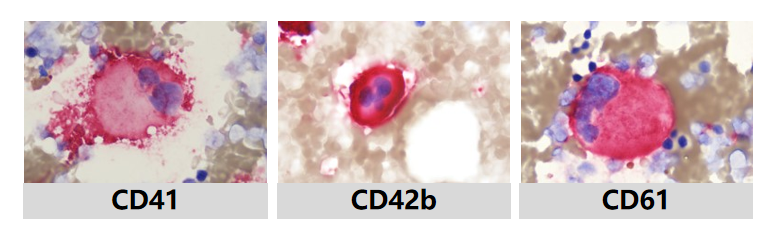
By specifically binding to CD41, CD42b, and CD61 antigens, this method distinguishes small megakaryocytes from lymphocytes and immature cells, thereby improving the detection rate of small megakaryocytes. It is widely used in the differential diagnosis of conditions such as myelodysplastic syndromes and acute myeloid leukemia.
Easy to interpret: red cytoplasm indicates a positive cell.
Easy to use, supports manual and onboard operation
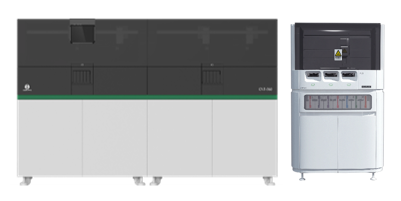
Compatible with the Celnovte CNT330 and CNT360 fully automated immunohistochemistry staining systems; staining time ≤ 1.5 hours
Immunohistochemistry Testing Platform
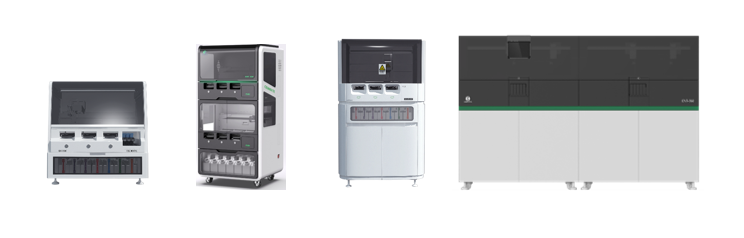
Immunohistochemistry is an essential diagnostic method for the differential diagnosis and classification of tumors across various systems. Antibodies commonly used to distinguish hematologic disorders include CD19, CD20, CD38, CD56, CD138, CD20, CD3, CD43, CD23, CD5, CD103, Cyclin D1, CD10, FMC7, CD79b, and Ki-67. Celnovte offers a variety of testing platforms to meet clinical diagnostic needs.
Fluorescence In Situ Hybridization (FISH) Detection Platform
FISH technology is widely used in the field of hematological diseases due to its intuitive nature, speed, high sensitivity, and convenience and flexibility. It is used to detect chromosomal abnormalities in various types of hematological malignancies and plays a significant role in tumor classification, diagnosis, treatment, and prognosis.

Image8